
Collaboration for Reasonable AI
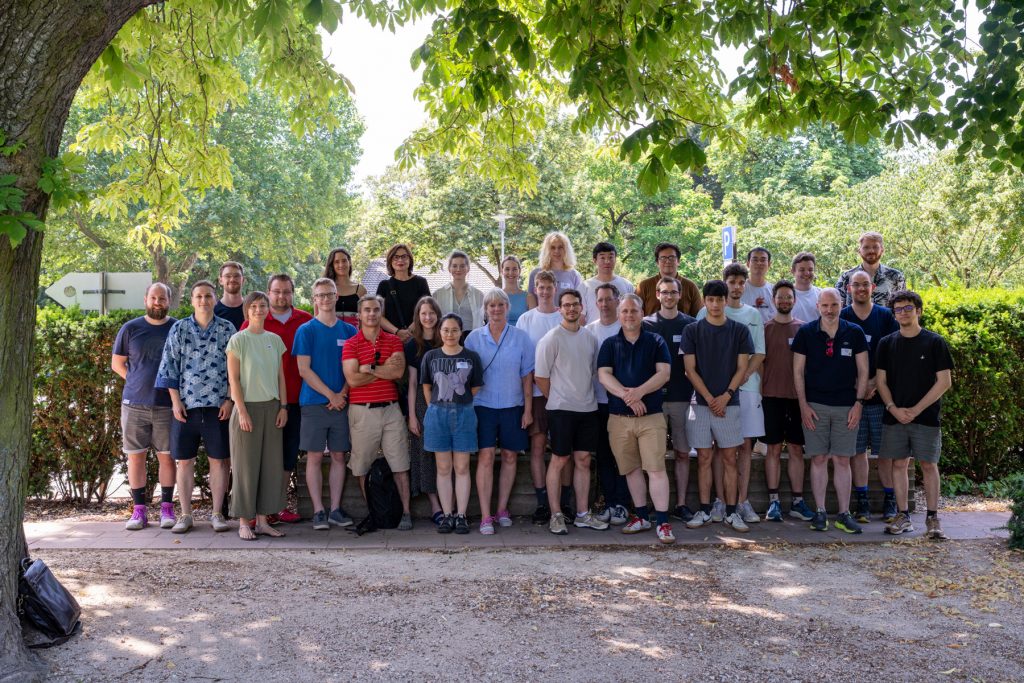
Six months after its launch, the Cluster of Excellence “Reasonable Artificial Intelligence” (RAI) continues to take shape. About 40 members gathered for their first joint retreat in Bensheim from June 24 to 26, 2026. Together, they expanded their scientific collaboration.
Since funding began in January, the RAI Cluster of Excellence has been growing steadily. The first 21 doctoral candidates have begun their work, as has the managing office. All participants recently gathered for the first in-person retreat to exchange ideas. Among the participants were two guests who will themselves be conducting research as doctoral candidates at RAI in the future – a great sign that the network continues to grow.
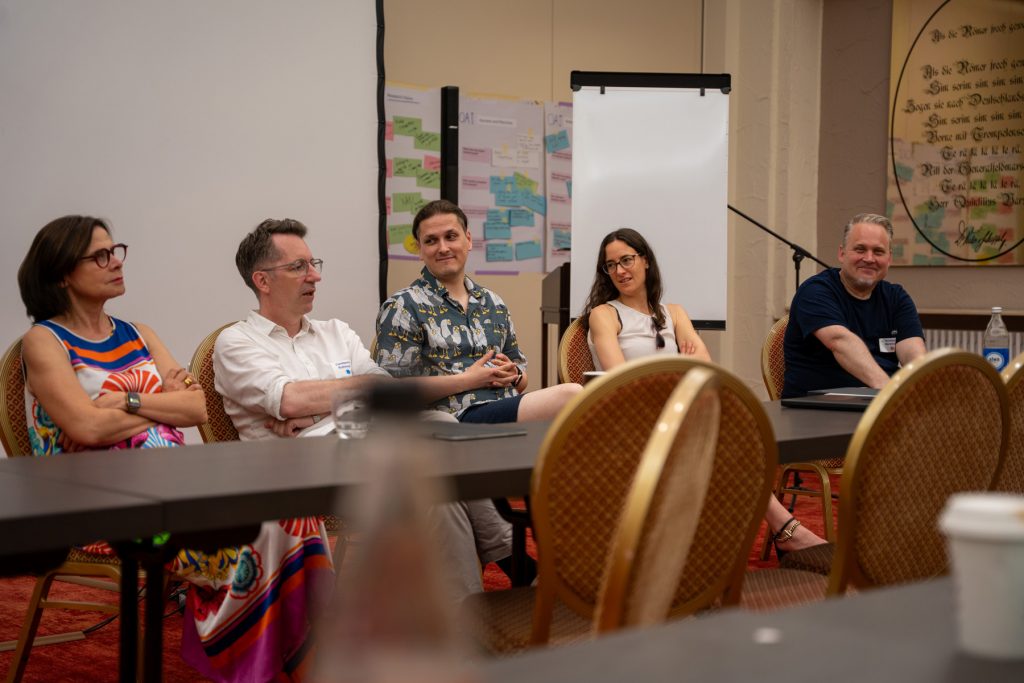
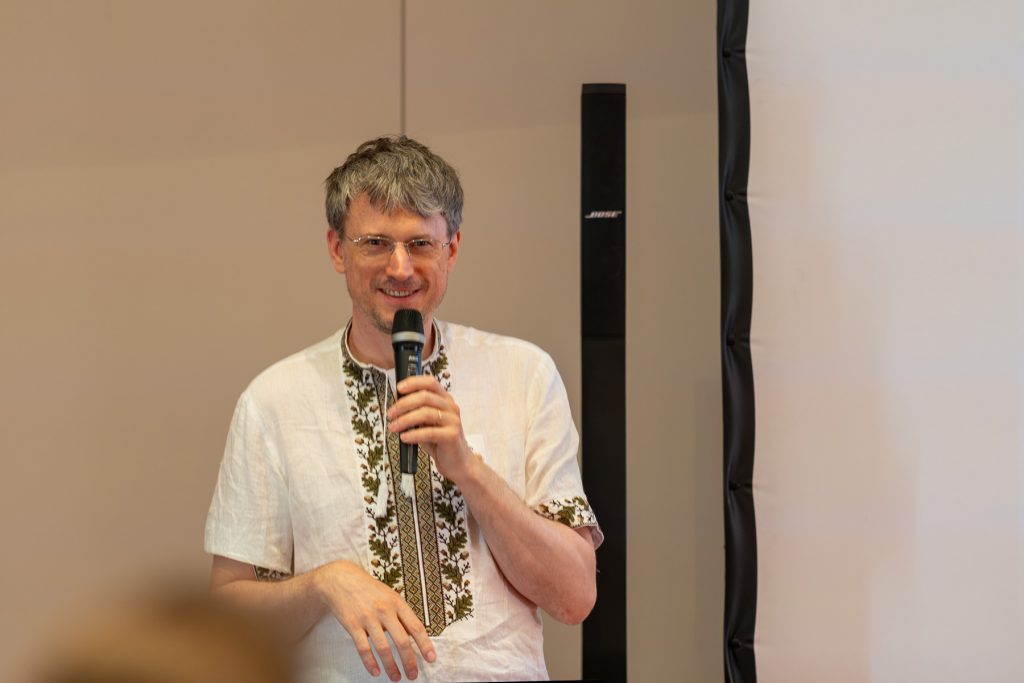
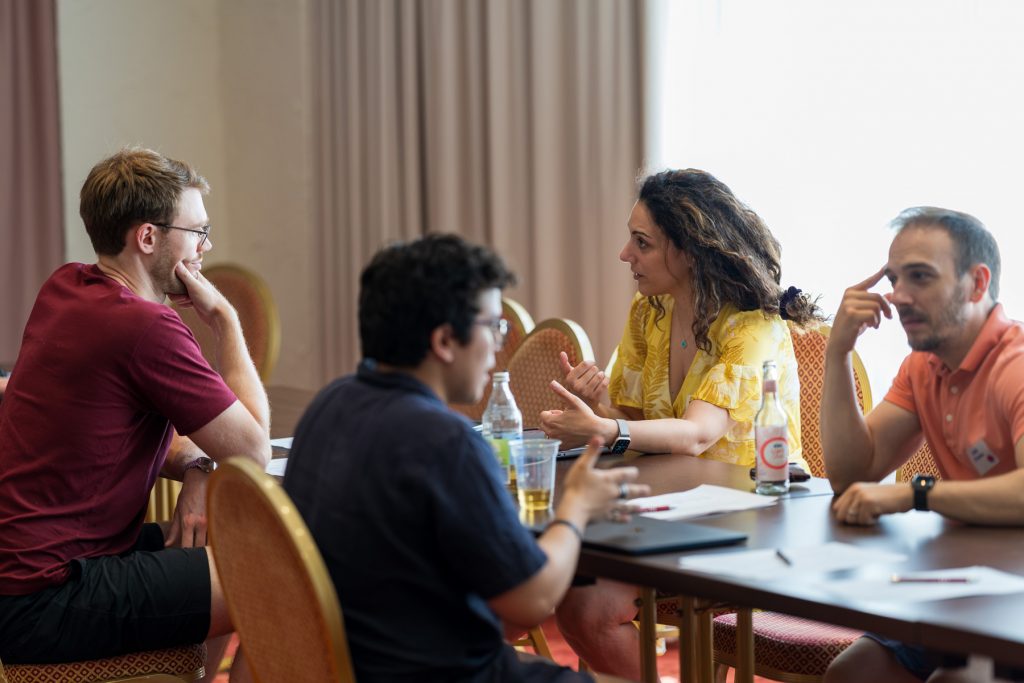
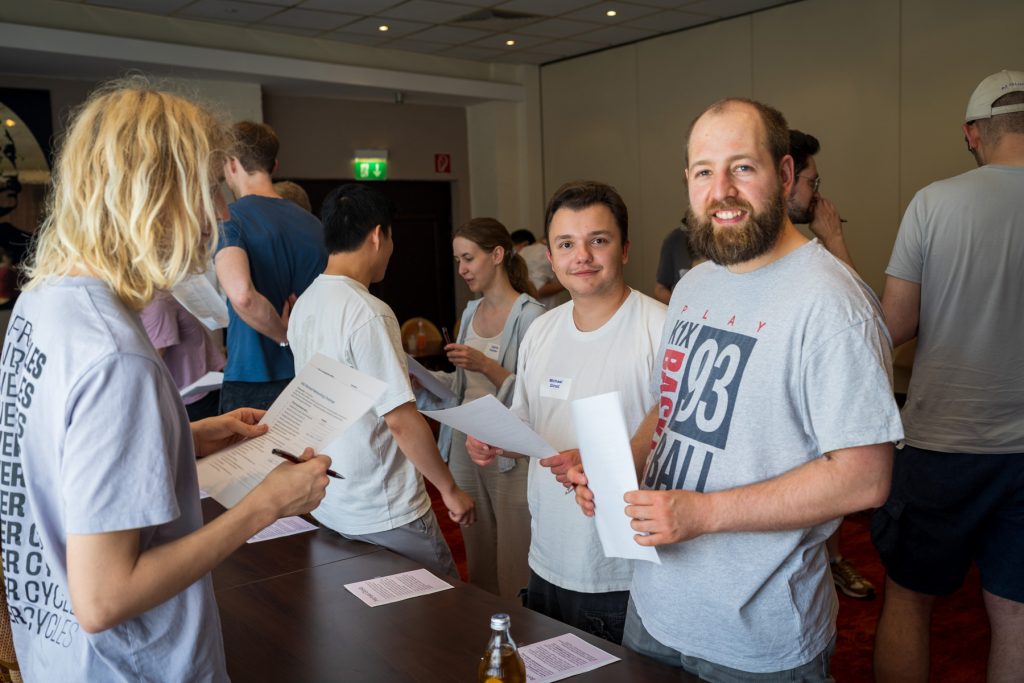
RAI explores the foundations of a new generation of AI systems that require less computational power, are adaptable to new situations, and are capable of continuous learning. The retreat, therefore, focused primarily on scientific exchange and strengthening collaboration. In the four research laboratories, the scientists discussed common research questions and developed initial approaches for cross-disciplinary collaboration. The doctoral students presented their projects in a poster session, got to know one another in short discussion rounds, and exchanged views with professors on career paths, the supervision of doctoral students, and their understanding of good science. A joint welcome session led by speakers Kristian Kersting, Mira Mezini, and Marcus Rohrbach, along with Constantin Rothkopf, provided context for current developments in AI research.
The retreat also highlighted how RAI intends to work in the future: Research does not take place in isolation within individual labs, but rather through the exchange of different perspectives and disciplines. The connections made and ideas developed in Bensheim serve as a starting point for this.
The DFG Cluster of Excellence Reasonable Artificial Intelligence (RAI, EXC 3057) is funded as part of the Excellence Strategy of the federal and state governments. It evolved from the 3AI cluster project, funded by the State of Hesse, which laid the scientific foundation for today’s Cluster of Excellence. hessian.AI supports RAI by providing, among other things, the necessary computing infrastructure and assistance with research management. For TU Darmstadt, as the host university, RAI is a key building block on the path to becoming a University of Excellence.